
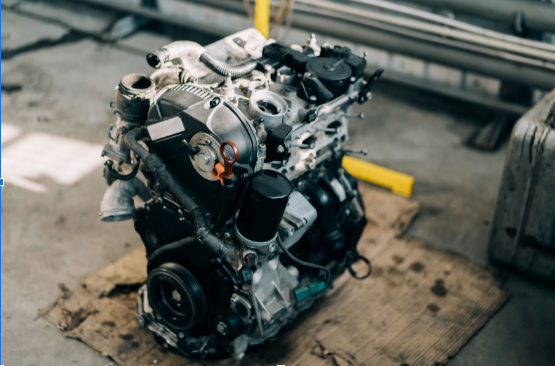
When evaluating used automotive engines, mileage serves as one of the most important indicators of remaining service life and overall condition. The number of miles an engine has accumulated directly correlates with internal wear, though this relationship is more nuanced than simple numbers suggest. Understanding how mileage affects engine condition, what factors influence wear rates, and how to interpret mileage claims helps buyers make informed decisions when sourcing replacement powerplants.
Mileage and Mechanical Wear
Internal combustion engines experience wear through friction between moving parts despite lubrication systems designed to minimize metal-to-metal contact. This wear accumulates gradually over time and distance, eventually affecting performance, efficiency, and reliability. Cylinder walls develop microscopic scratches from piston ring movement. Bearings gradually lose material through the constant pressure and rotation they endure. Valve seats experience erosion from repeated impacts as valves open and close millions of times.
Low-mileage engines have experienced less cumulative wear, meaning internal components retain more of their original dimensions and surface finish. This preservation of tolerances translates to better compression, lower oil consumption, and reduced blow-by compared to high-mileage counterparts. The mechanical advantage of low-mileage engines makes them more desirable for applications where longevity and reliability are priorities.
However, mileage alone doesn’t tell the complete story. An engine accumulating highway miles experiences less wear per mile than one subjected primarily to short trips and city driving. Highway operation maintains optimal temperatures, lubricates components more effectively, and generates less carbon buildup than stop-and-go driving. Maintenance quality profoundly affects how well engines withstand accumulated mileage, with proper care extending service life significantly.
Maintenance History Significance
The care an engine received throughout its life often matters more than absolute mileage in determining current condition and future reliability. An engine with one hundred thousand miles and meticulous maintenance typically offers better prospects than a seventy-thousand-mile engine that suffered neglect. Regular oil changes using quality lubricants protect internal components from wear and prevent sludge buildup that can damage even relatively low-mileage engines.
Timing belt or chain replacement at recommended intervals prevents catastrophic failures that destroy engines regardless of mileage. Cooling system maintenance ensures proper operating temperatures that reduce wear and prevent overheating damage. Using manufacturer-specified fluids and parts maintains optimal operation of sophisticated systems like variable valve timing that modern engines employ. These maintenance practices separate engines that will provide reliable service from those likely to cause problems despite attractive mileage figures.
Documentation provides the best verification of maintenance history, though complete records aren’t always available with used engines. Sellers who can provide service records demonstrate transparency and offer buyers confidence that engines received proper care. Engines from markets with strict inspection requirements often have better maintenance histories due to regulatory compliance pressures that encourage regular service.
Geographic and Climate Factors
Where an engine operated throughout its life influences wear patterns and condition. Vehicles in moderate climates experience less stress than those subjected to temperature extremes. Cold weather increases wear during startup when oil viscosity is highest and clearances are tightest. Hot climates stress cooling systems and accelerate degradation of lubricants and other fluids. Coastal areas expose engines to corrosive salt air that can damage external components even when internal condition remains good.
Road conditions and typical usage patterns vary geographically, affecting how quickly engines accumulate wear. Regions with poorly maintained roads subject vehicles to more vibration and stress. Areas with heavy traffic see more stop-and-go driving that accelerates engine wear. Conversely, regions with excellent roads and lighter traffic allow engines to operate in conditions that minimize wear per mile traveled.
Understanding these geographic factors helps buyers assess engines from different sources. Japanese domestic market engines benefit from excellent roads, moderate climate in most regions, and relatively light traffic compared to many American urban areas. These conditions, combined with cultural factors promoting proper maintenance, result in engines that often show less wear than similar-mileage American counterparts.
Verifying Mileage Claims
Mileage fraud represents a significant concern in used engine markets, as unscrupulous sellers may misrepresent accumulated miles to command higher prices. Buyers should scrutinize mileage claims and seek verification whenever possible. Original odometer readings from donor vehicles provide the most reliable documentation, though these aren’t always available with engines removed from vehicles years earlier.
Visual inspection can reveal inconsistencies with claimed mileage. Internal engine components show wear patterns that experienced mechanics can assess. Excessive carbon buildup, worn bearing surfaces, or scored cylinder walls suggest higher mileage or poor maintenance regardless of stated figures. Conversely, pristine internal components support low-mileage claims when visual evidence aligns with seller representations.
Compression and leak-down testing provide objective measurements that correlate with engine condition and accumulated wear. Strong, consistent compression across cylinders indicates good ring seal and valve sealing typical of low-mileage engines. Weak or uneven compression suggests internal wear consistent with higher mileage or maintenance neglect. These tests offer valuable verification beyond simply trusting seller claims.
The Japanese Market Advantage
Japanese domestic market vehicles offer unique advantages for buyers seeking genuinely low-mileage engines. Japan’s strict vehicle inspection system, combined with excellent public transportation and relatively short average daily commutes, results in vehicles accumulating far fewer miles than comparable American vehicles. Cars in Japan average around six thousand miles annually compared to over twelve thousand miles in the United States.
This lower annual mileage means Japanese vehicles reach retirement age with significantly fewer total miles than American counterparts. A ten-year-old Japanese vehicle might show only sixty thousand miles while an equivalent American vehicle could easily exceed one hundred twenty thousand miles. This substantial difference means Japanese market engines often retain more useful life at equivalent ages.
Cultural factors promoting vehicle replacement also contribute to the availability of low-mileage Japanese engines. The Shaken inspection system imposes increasingly expensive requirements as vehicles age, encouraging owners to replace vehicles rather than maintain older examples through these inspections. This practice results in relatively young, low-mileage vehicles being retired while their mechanical components remain in excellent condition.
Age Versus Mileage Considerations
While low mileage generally indicates less wear, age introduces its own considerations. Engines sitting unused for extended periods can experience issues from lack of operation. Seals and gaskets dry out and shrink, potentially causing leaks when engines return to service. Corrosion can develop on cylinder walls and other surfaces when protective oil films drain away during storage. Fuel system components may suffer from deteriorated gasoline left in tanks and lines.
The ideal used engine combines low mileage with recent operation, having accumulated limited wear while remaining properly lubricated and exercised. Engines removed from recently running vehicles offer better prospects than those sitting for years, even if mileage figures are similarly low. Buyers should inquire about storage conditions and time since last operation when evaluating low-mileage engines.
Market Pricing Dynamics
Mileage significantly influences used engine pricing, with low-mileage examples commanding substantial premiums over high-mileage alternatives. This price differential reflects market recognition that lower mileage generally correlates with better condition and longer remaining service life. However, buyers must balance mileage considerations against other factors including maintenance history, application suitability, and overall value proposition.
Extremely low-mileage engines from Japanese domestic market vehicles represent premium products that justify higher pricing through superior condition and reliability prospects. These engines appeal to buyers prioritizing longevity and peace of mind over absolute lowest cost. For those seeking the best combination of condition and value, low mileage JDM engines offer compelling options that balance quality with reasonable pricing, providing the reliability advantages of limited wear without excessive premium pricing.
Making Informed Decisions
Evaluating used engines requires considering mileage alongside numerous other factors that influence condition and suitability. Buyers should request comprehensive information including mileage documentation, maintenance records when available, compression test results, and detailed photographs. Dealing with reputable sellers who provide transparent information and stand behind their products reduces risks inherent in purchasing used components.
Understanding that mileage represents just one indicator of engine condition helps buyers avoid focusing too narrowly on this single metric. A balanced assessment considering maintenance quality, operating conditions, age, and verification evidence provides the foundation for confident used engine purchases that deliver reliable service at reasonable costs.