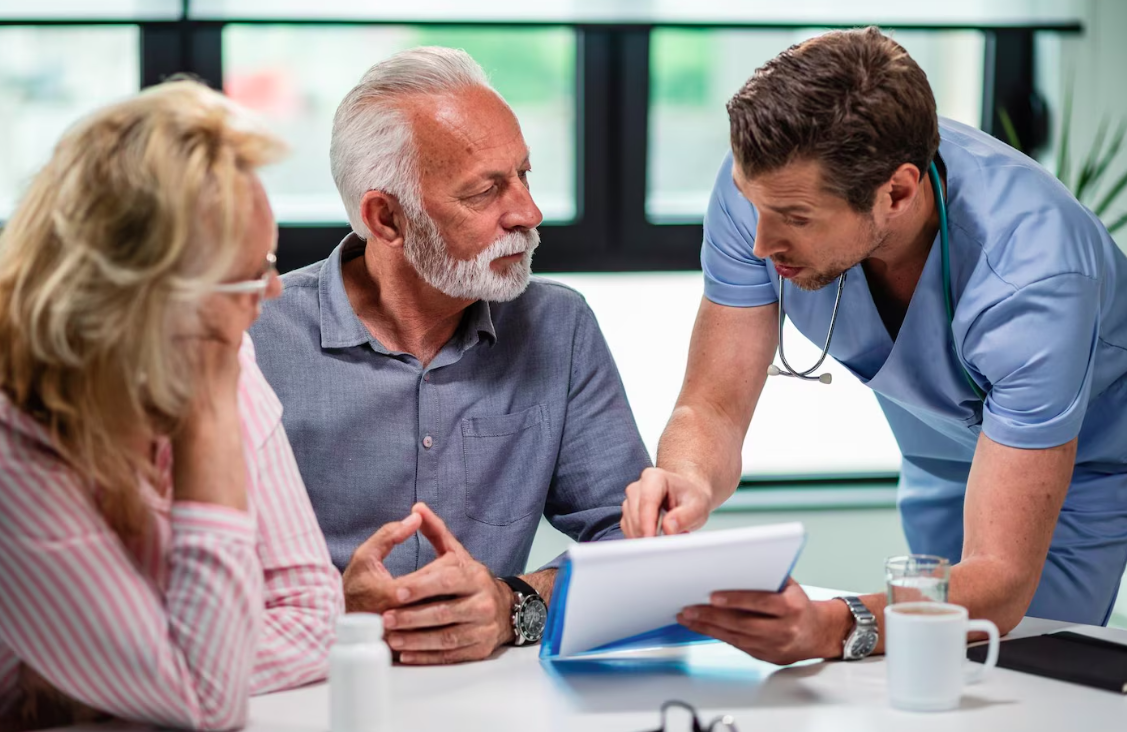
The evolution of modern medicine requires a parallel advancement in the infrastructure and personnel that deliver care. Improving healthcare facilities is a multifaceted challenge that involves upgrading physical environments, integrating cutting-edge technology, and fostering a highly skilled workforce.
By focusing on both the clinical and administrative aspects of medical delivery, institutions can create a more efficient, patient-centered system that improves outcomes and enhances the overall experience for those seeking treatment.
Empowering the Care Team with Home Health Aide Certification
As the demand for personalized and domestic care increases, the integration of certified professionals into the broader medical network becomes essential.
Encouraging staff to obtain a home health aide certification ensures that patients transitioning from clinical settings to their residences receive a high standard of professional support.
This specialized training provides caregivers with the skills necessary to manage chronic conditions, monitor vital signs, and provide emotional support outside of a traditional hospital environment.
By prioritizing home health aide certification, healthcare systems can reduce readmission rates and ensure that the continuum of care remains unbroken and effective.
Enhancing Medical Distribution Through Pharmaceutical Experiential Sales Training
The bridge between medical innovation and clinical application is often built by the professionals who represent life-saving medications. To improve the way facilities access and understand new treatments, there is a growing need for pharmaceutical experiential sales training among industry representatives.
This type of immersive education goes beyond traditional product knowledge, focusing on the real-world challenges faced by physicians and patients.
When representatives undergo pharmaceutical experiential sales training, they become better equipped to provide evidence-based solutions that align with the specific needs of a medical facility, ultimately leading to more informed prescribing habits and better patient access to vital therapies.
Modernizing Infrastructure and Diagnostic Equipment
A healthcare facility is only as effective as the tools it provides to its medical staff. Investing in high-resolution imaging technology, automated laboratory systems, and robotic surgical assistants allows for faster and more accurate diagnoses.
Furthermore, the physical layout of the building should be designed to minimize cross-contamination and maximize patient comfort.
Incorporating healing architecture, such as natural lighting and noise-reducing materials, creates an environment that promotes recovery and reduces the stress associated with clinical visits.
Implementing Comprehensive Digital Health Records
The seamless flow of information is a cornerstone of modern medical efficiency. Transitioning to advanced electronic health record systems allows different departments and specialists to access a patient’s history in real time.
This digital integration eliminates the risk of duplicate testing and reduces the likelihood of medication errors caused by incomplete data.
By centralizing patient information, healthcare facilities can provide more coordinated care, ensuring that every member of the medical team is informed and aligned on the best course of treatment.
Prioritizing Patient Safety and Hygiene Protocols
Maintaining a sterile environment is a fundamental requirement for any high-quality medical center. Strengthening sanitation protocols and investing in advanced air filtration systems significantly reduces the risk of healthcare-associated infections.
Regular training sessions for all staff members on hand hygiene and the proper use of personal protective equipment ensure that safety remains the top priority.
A facility that demonstrates a rigorous commitment to cleanliness builds trust with the community and ensures that patients can focus on healing without the threat of secondary complications.